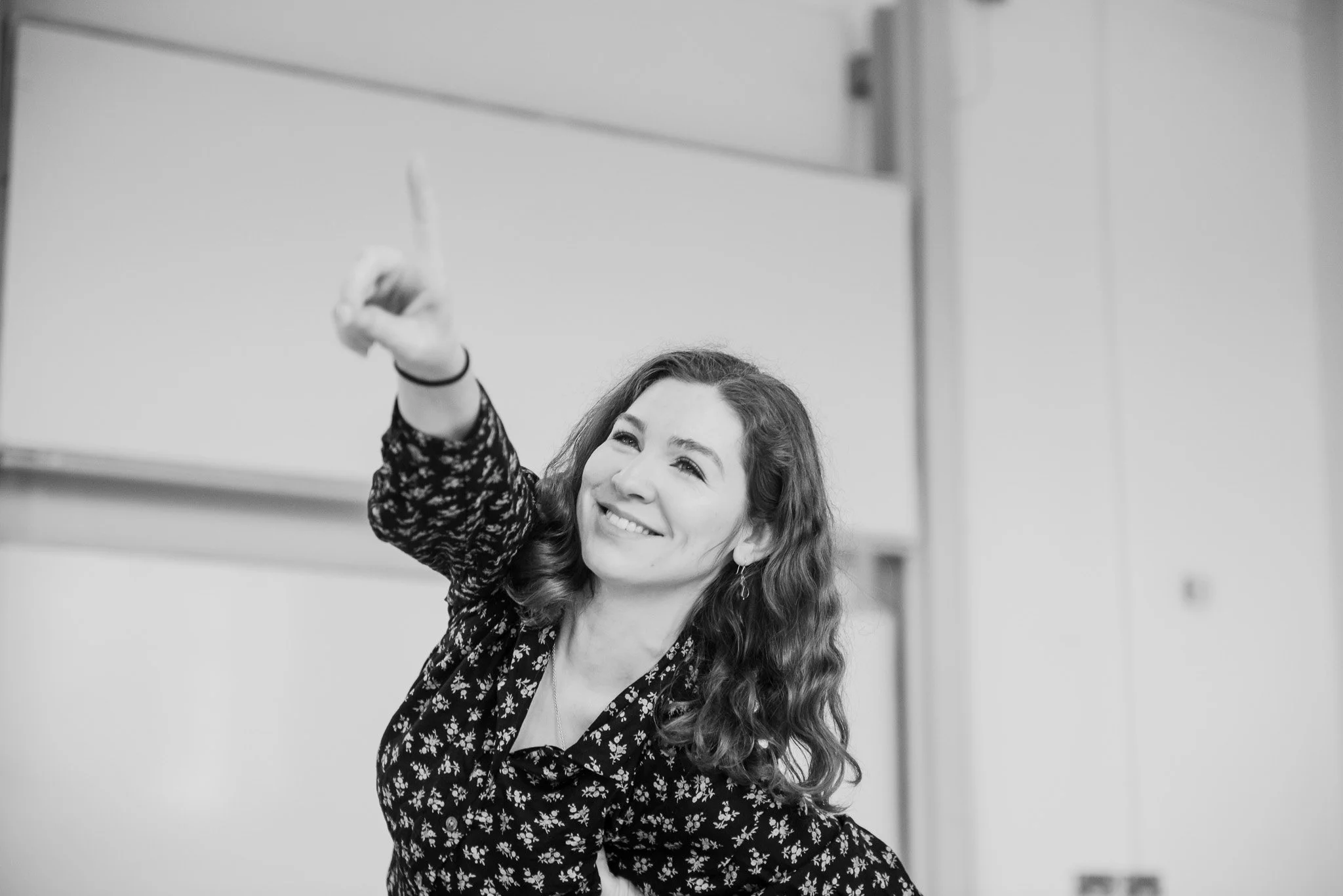
About me
I'm Sarah, a Dance Movement Psychotherapist (DMP) based in London, registered with the Association for Dance Movement Psychotherapy UK (ADMP UK).
I believe that our bodies can tell us a great deal about how we're feeling and experiencing the world, sometimes before we have the words to express it. Dance Movement Psychotherapy brings together talking, movement, creativity and body awareness to create space for exploring these experiences in a way that feels meaningful and personal to each individual.
My approach is warm, compassionate and collaborative. I aim to create a therapeutic relationship where you can feel safe to be yourself, without judgement or expectation. There is no need to be a dancer, and there is no expectation to move. What happens in therapy is shaped around you, your needs, and what feels comfortable.
My interest in this work comes from a long career in dance and choreography, where I experienced movement as integral to connection, communication and creative expression. Through my training and professional experience, I have developed a particular interest in working with dancers, actors and artists to support self-discovery, wellbeing and creativity.
I am particularly interested in exploring the relationship between creativity, identity and the body, including experiences of body image, perfectionism, performance pressures and periods of transition or change. For artists and performers, these experiences can become closely intertwined with how we see ourselves, our sense of worth and our relationship with our bodies and creative practice.
Alongside my work in the arts, I have extensive experience working in mental health with children in mainstream primary schools, within charities, and with adults experiencing acute mental health difficulties in both inpatient and community settings in the NHS. I am passionate about bringing these experiences together through Dance Movement Psychotherapy, creating a space where people can explore their experiences through both movement and words, with curiosity, compassion and without judgement.
I am currently preparing to establish my own private practice, with the intention of offering Dance Movement Psychotherapy from Spring 2027.
I look forward to creating a therapeutic space that allows people to slow down, listen to themselves, and explore new possibilities through both movement and words.
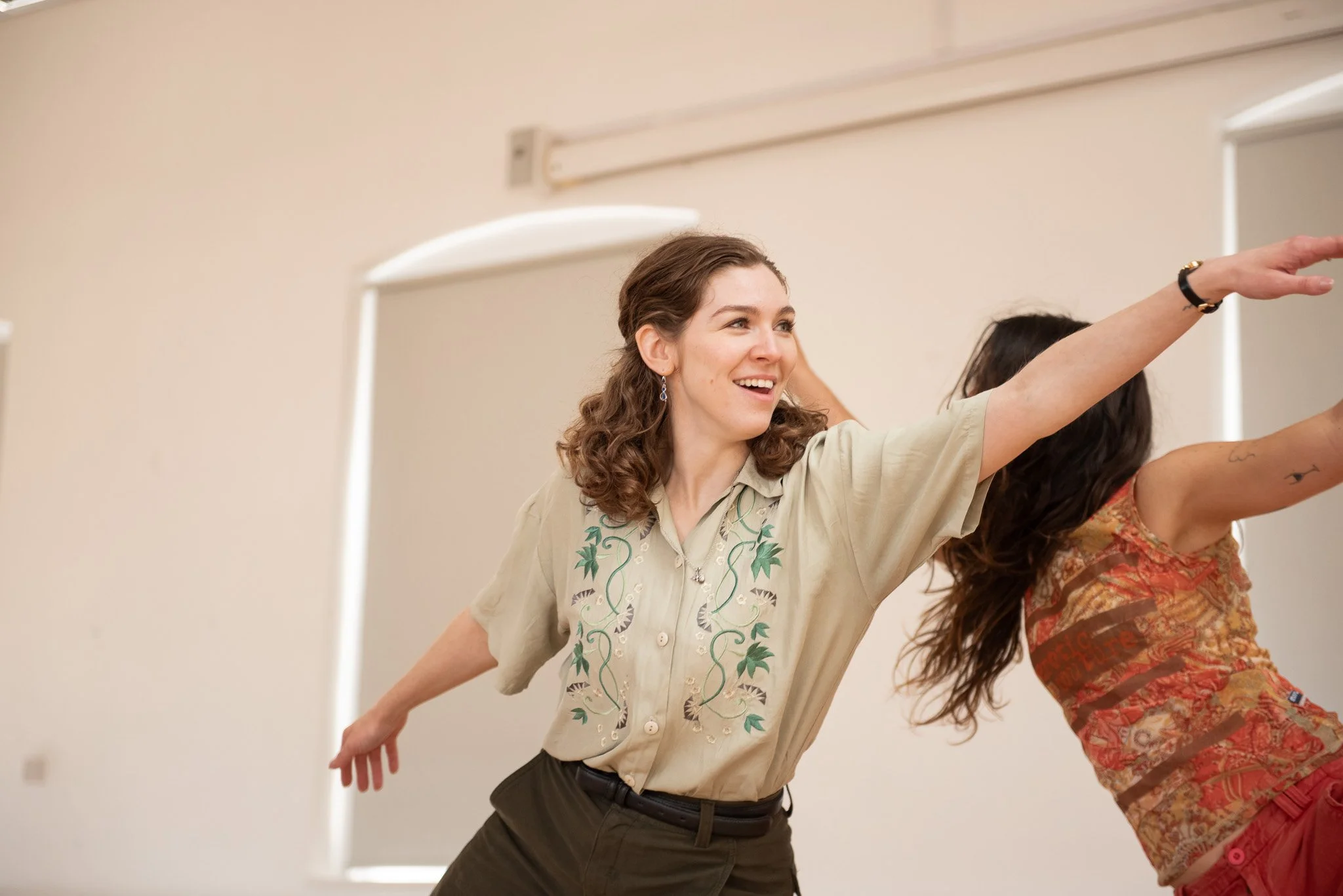
photo by sinead mckee.
What is Dance Movement Psychotherapy?
Dance Movement Psychotherapy (DMP) is a form of psychotherapy that brings together talking, movement, body awareness, creativity, and the therapeutic relationship.
Sometimes words aren't enough to express what we're feeling. Our bodies can hold experiences, emotions, and memories that can be difficult to put into words. Movement can offer another way of exploring these experiences, gently and at your own pace.
Sessions are not about learning to dance or performing. There is no right or wrong way to move. Movement may be part of a session, but talking, stillness, reflection, and simply being together in the space are equally important.
You remain in control of what you choose to explore.
How DMP can support you
You might be coming to therapy because you are:
Feeling anxious, overwhelmed, or emotionally stuck
Experiencing low mood or loss of motivation
Going through a significant change or difficult period in your life
Struggling with relationships or finding it difficult to connect with others
Feeling disconnected from yourself or your body
Living with the effects of difficult or traumatic experiences
Wanting to understand yourself and your patterns more deeply
Simply feeling that something needs to change, but not knowing where to begin
You don't need to have everything figured out before coming to therapy.
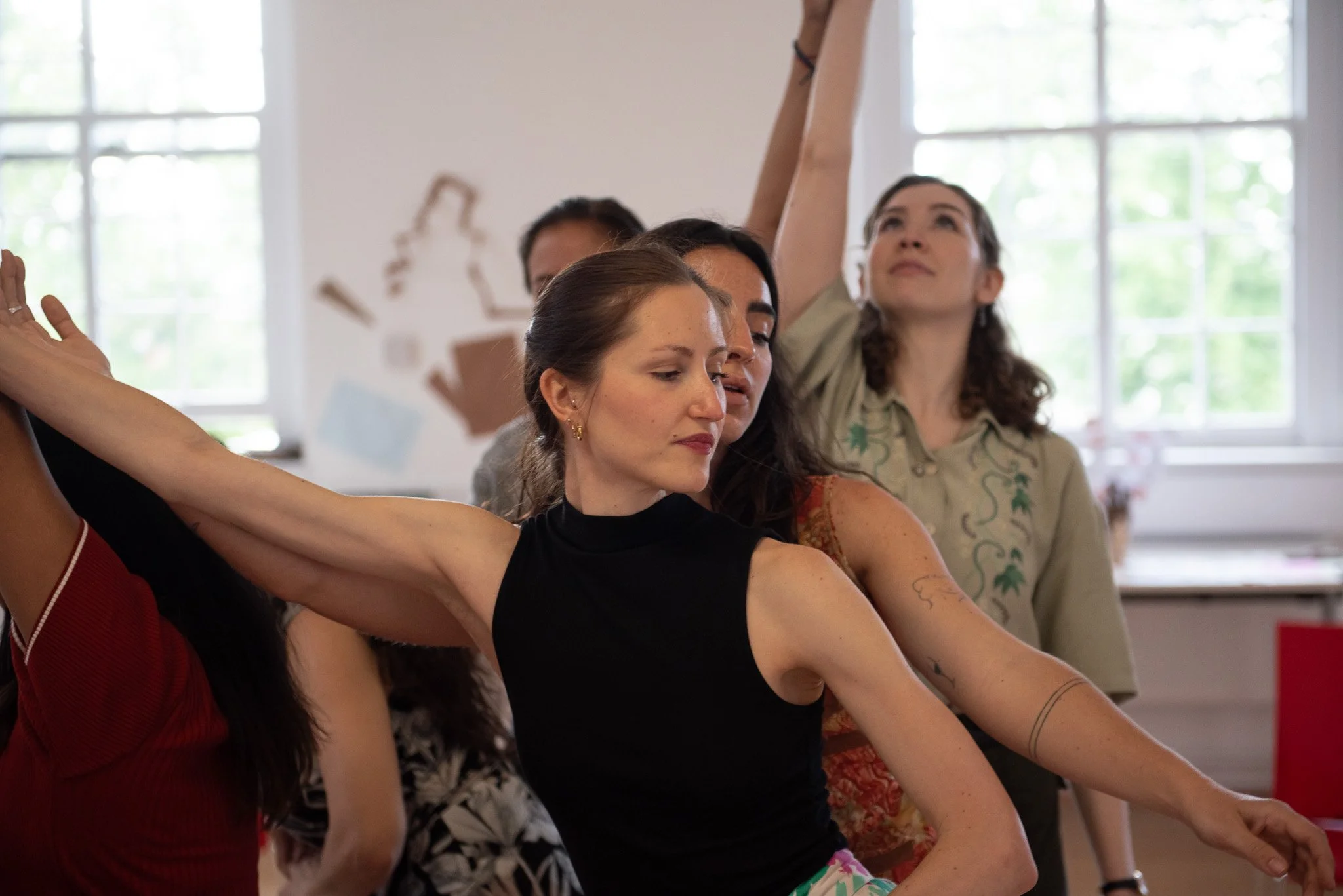
photo by sinead mckee. also pictured: gaia figini and marina roquete.
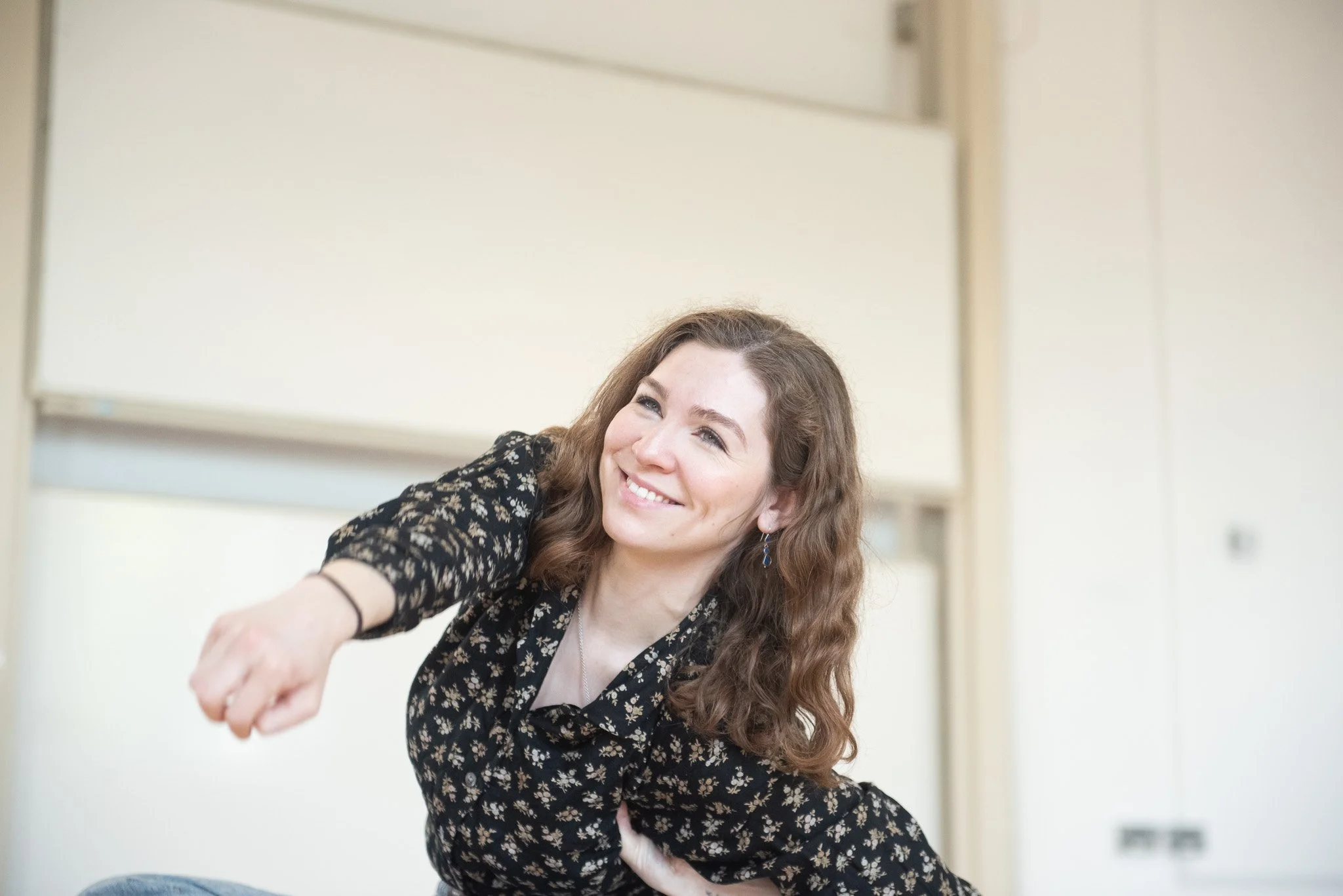
Photo by sinead mckee.
What happens in a session?
Sessions are tailored to you.
We might spend time talking about what's happening in your life, noticing sensations or feelings in your body, exploring movement or imagery, or using creative approaches. Sometimes the most useful thing may simply be having a safe space to pause and be heard.
There is no expectation to move or dance.
We go at your pace, and you are always able to decide what you do and don't want to explore.